The music industry is composed of thousands of artists from every corner of the world. Musicians have found a way to create rhythmic sounds since the beginning of time. Over time, industry executives have found a consistent way to monetize music.
Artists have complained about not being paid their worth, however, they too have monetized music. Musicians started with live performances, and no technology to playback those performances. An evolution in technology gave birth to 8-track recordings, then nonlinear technology to make recordings mobile. Fast forward, the music business had to adapt to how music is consumed online. Fortunately, they figured out how to monetize music distribution online.
Today, the music industry has a new enemy known worldwide as AI, artificial intelligence.
This new threat to the music industry has several different forms. There are Ai artists, Ai Tools, Ai campaign strategies, and Ai productions. Some artists reject the idea of Ai, while others embrace it.
Music started as a blow into the wind to create a sound, a brush back and forward on a leaf, and harmony held in an ancient language. Ai’s introduction into music is no different from linear systems being the second choice for recording sessions. It is no different from music being consumed from a vinyl, cassette, cd, iPod, and now – streaming services. However, everyone’s feelings about Ai are different, especially artists.
Many artists have strong feelings about Ai writing their music for them. In fact, some artists say it is an absolute no for them. Pro-Ai artists view Ai as a tool to help them create. One Ai tool mentioned is Suno. An artist displayed how a song is created in Suno by creating a detailed prompt which details the gender of the artist, tone of the song, and genre. After writing the prompt, Suno created several songs in less than a minute.
For artists this can be threatening, because an Ai assistant software can replace songwriters in less than a minute. Therefore, it is no longer adapting to change, instead, artists are now competing with Ai. Some producers have decided to engineer Ai artists and sign them to their label. Suno can create beats in less than a minute.
Fortunately, Ai productions are not perfect. Ai references thousands of created works to create a song or instrumental. Therefore, Ai cannot produce a new idea – it appropriates. Some artists are concerned about copyright infringement. Furthermore, the concern of who is compensated for songs by Ai artists is growing.
This issue is like music being pirated online by illegally downloading the audio. This issue was like albums being bootlegged on cassettes, then on CD. A solution to easier consumption for fans led to a problem of pirating for artists and music executives. Pirating led to a slew of lawsuits and millions of dollars paid to artists and labels. During that era in the music industry, labels and artists found solutions to the cons presented by new technologies used in the music industry.
The creative process is at risk as engineers continue to advance Ai tools used in music. Artists and producers are at risk of losing their jobs, and they are not the only ones. Ai tools are also used for branding, marketing, and advertisement campaigns. However, artists who said no to Ai assistance being used during the creative process understood how it can assist with marketing strategies.
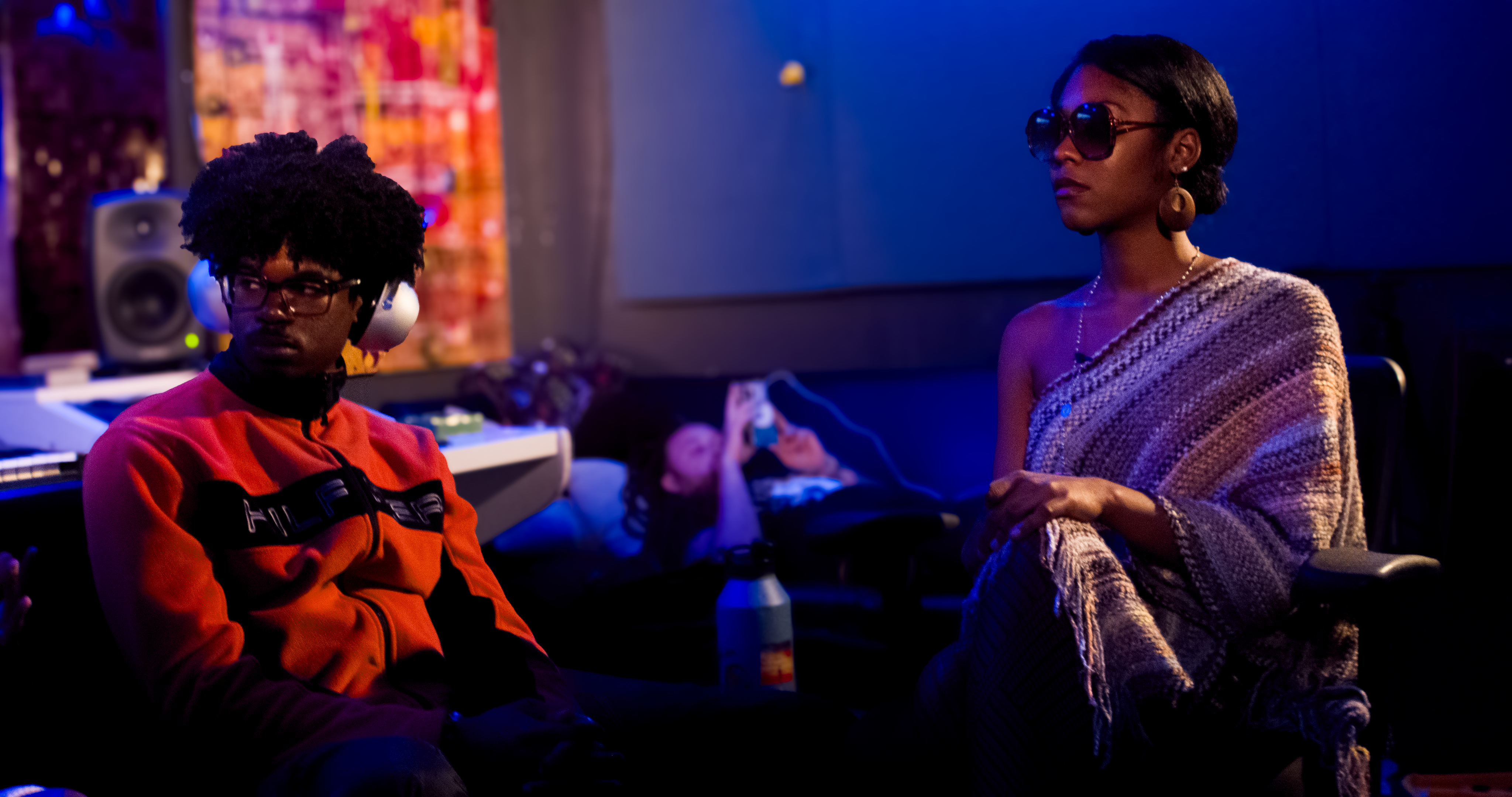
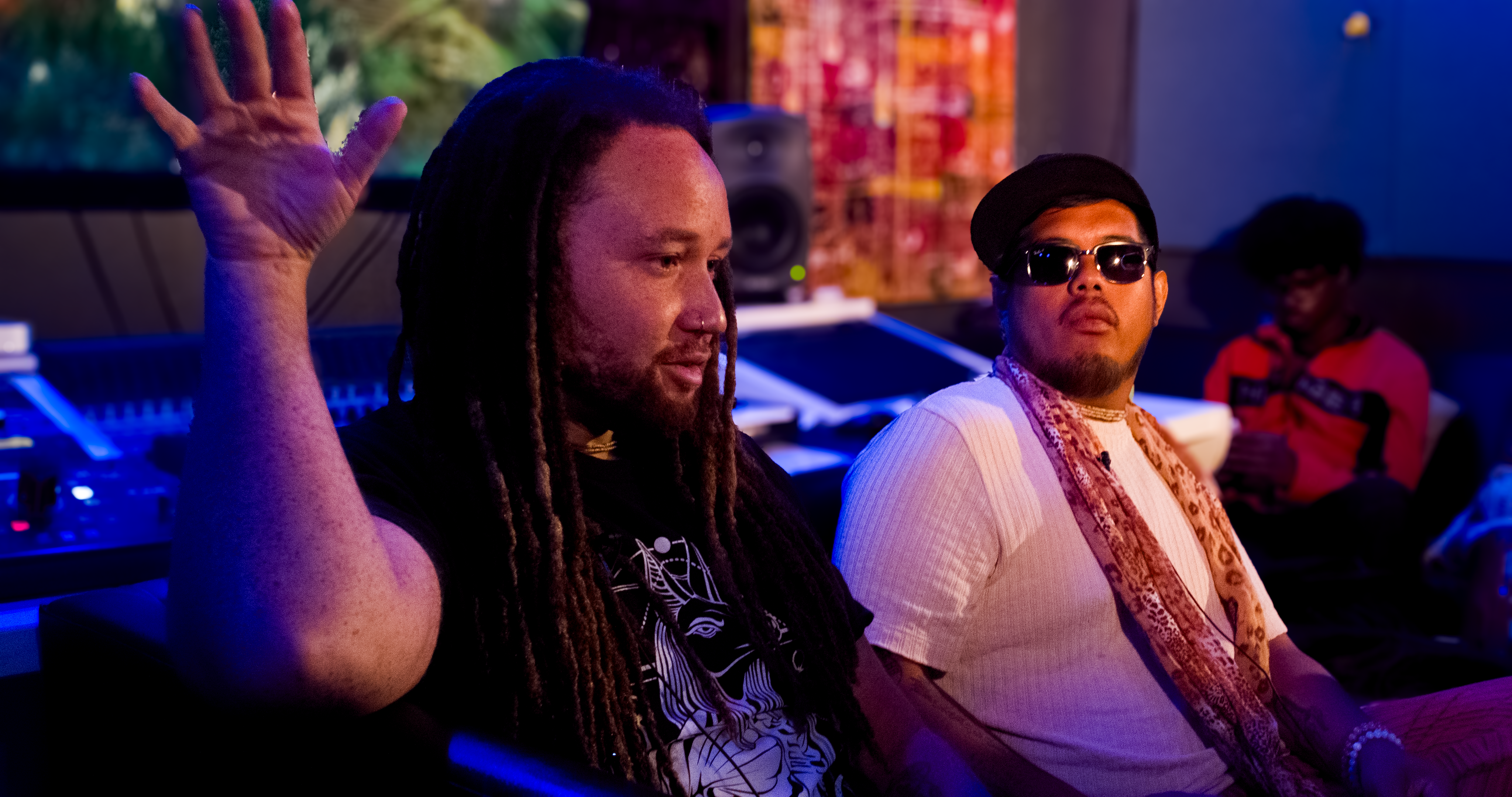


Prompt engineering is the key to producing results with an Ai assistant. It is no different when it comes to prompting an Ai assistant to do research to better understand your target audience. For upcoming artists, this is a relief because it is easier to do it yourself with an Ai assistant. There are Ai tools that can help artist organize their schedule, find upcoming events, and perform data analysis.
In the past, marketing could get expensive. The assistance of Ai makes it easier to do what professionals were once paid to do. Unfortunately, this has led to lay offs in the offices of record label. Ai is doing work that usually takes several workers to perform. The upside is that Ai is not always correct. In fact, at times it is embarrassingly wrong. Therefore, when a human prompts it, they are still responsible for fact checking the data and information.
Artificial intelligence has taken the music industry by storm. However, the music industry is no stranger to evolution. Cavemen once brushed on a leaf with a tree branch to find a rhythm, now guitars, drums, and vocals circulate through arenas and stadiums around the world. Music consumers were limited to a two-song minimum on vinyl, now music lovers create playlists with countless number of songs within their chosen streaming app.
Ai is not all bad, and it is not all good. The music industry has proven to withstand the test of times.